

Food has an exclusive capacity to evoke feelings and memories, plus there’s nothing quite like a fascinating image to handle all of us into an associated with flavour and delight. In today's modern world, in which social media systems are flooded together with beautiful food photography, it’s essential to be able to understand what makes the image truly remain out. Whether you’re a foodie, some sort of chef, or some sort of marketer, knowing exactly how to recognize high-quality food photography can easily enhance your appreciation for your culinary disciplines that help you help make informed choices for your brand.
So, what actually should you look for in food photography? From your choice associated with lighting towards the set up of ingredients, several key elements lead to creating mouthwatering images that grab consideration and ignite yearnings. This article may guide you through the essential ingredients involving stunning food photography, equipping you together with the insights needed to spot exceptional photographs and elevate your own own photography expertise. Join us even as we explore the secrets behind capturing aesthetic flavor and study how to identify food photography that really shines.
Key Elements of Spectacular Food Photography
When this comes to producing jaw-dropping food photography, lighting plays some sort of crucial role. Organic light is usually preferred for the ability to improve the colors and designs of food with no harsh shadows. Aim for soft, diffused lighting that brings out and about the vibrant shades with the ingredients. Place your food around a window or utilize reflectors to be able to bounce light back again onto the subject. Understanding the time that offers typically the best light could significantly elevate your photography game.
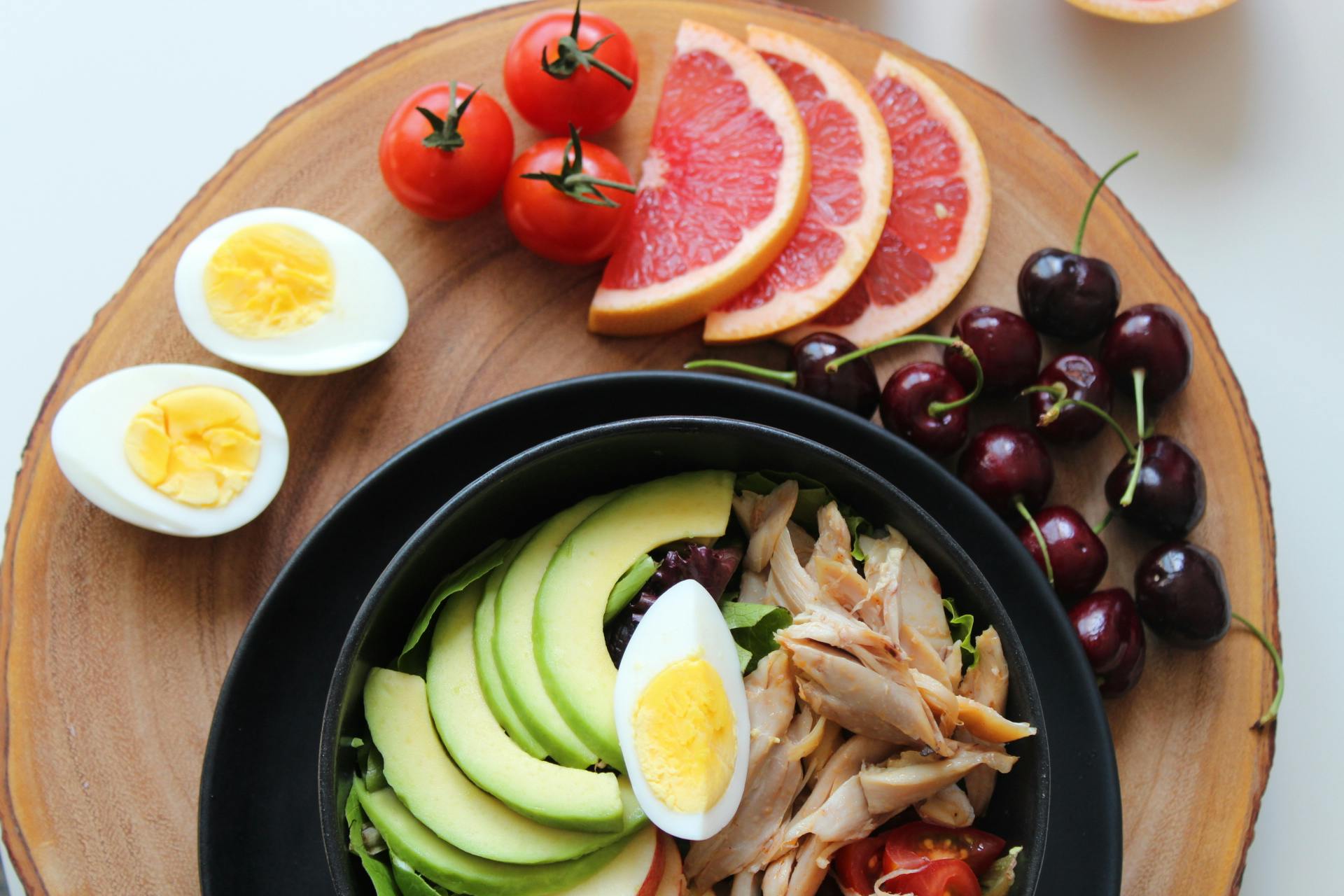
Composition is also a crucial aspect that could help to make or break a food shot. Typically the arrangement of elements within the frame could slowly move the viewer's attention and create an impression of balance. Utilize rule of thirds to position the main subject off-center, and consider including props that complement the dish. Smoothness, colors, and styles should harmonize to create an inviting scene that draws attention to the particular food. Experimenting with different angles, this kind of as overhead or at eye degree, can also offer a fresh perspective.
Ultimately, paying attention to detail is crucial inside capturing the essence associated with a dish. Highlighting the freshness associated with ingredients, intricate plating, and the interplay of sauces and even garnishes can stimulate a sense of taste in addition to aroma. Close-up photos that focus about the textures, these kinds of as the crispness of vegetables or the glaze regarding a dessert, can create a mouthwatering effect. If it is mindful of these kinds of details, the photography transcends mere images and starts in order to tell an excellant account.
Recognizing High-Quality Food Photos
Any time assessing food photography, one of the first aspects to be able to consider is the composition of typically the shot. High-quality food images often display a well-balanced layout, where the main dish takes the main stage but is associated by elements such as garnishes or props. A clutter-free history enhances the aesthetic appeal, allowing the food to appear and inviting the viewer to pay attention to the flavors being introduced. It's necessary to pay out attention to the angles at the same time; photos taken from somewhat above or in eye level frequently result in additional dynamic images.
Lighting takes on an essential role inside elevating food photography. Natural light is often favored, since it brings out there the true colors and textures in the food. High-quality food shots typically avoid harsh shadows or perhaps overexposure, instead choosing soft, diffused mild that highlights details like the gloss of sauces or perhaps the crispness of fresh ingredients. The direction and high quality of light will drastically alter the particular mood of the photograph, so recognizing images that make use of light effectively is key.
Lastly, the colours in food photography should inspire appetite and evoke thoughts. A high-quality picture often features radiant hues that are true to the food itself with out overly altering saturation in editing. The visual appeal regarding the dish may be enhanced through complementary color models, arrangement, and styling. When evaluating food photography, look regarding pictures that certainly not only make the food look delicious yet also feel welcoming and warm, showcasing a genuine network involving the dish and even the viewer’s feelings.
Perfecting the Art regarding Food Photography
To really master the ability of food photography, understanding lighting is essential. Natural light is often the many flattering for food, enhancing colors in addition to textures without generating harsh shadows. Setting your dish around a window may produce beautiful smooth light, which helps convey the quality of ingredients. Experimentation with different times of day can render varied results, letting you capture the meal in its ideal light, whether that be beforehand morning or perhaps late afternoon.
Another critical aspect is structure. A well-composed image draws the eyesight and creates a visual story. Think about the principle of thirds, which often suggests that positioning key elements off-center can create a more participating image. Utilize stage sets, like utensils, napkins, and background elements that complement the dish without overpowering it. Arranging things thoughtfully can increase a layer regarding depth and interest, making the food pop and appealing viewers to meal their eyes.
Lastly, focus on the details. Smoothness play a substantial role in how appealing food photography is perceived. Close-ups that highlight delicious berries, flaky pastries, or a frothy sauce can induce cravings and suggest a sensory encounter. Paying attention in order to these specifics not necessarily only enhances the particular overall look but also communicates the dish's flavor and good quality, making it jump out in a populated market.
Essential Tips with regard to Captivating Food Imagery
To create stunning food photography, lighting takes on a crucial role. Sun light is often the best choice, mainly because it brings out typically the true colors and textures with the food. find more information near a home window or outdoors in order to capture the soft, diffused light of which enhances the elegance of the dish. Avoid harsh dark areas and overly bright spots by utilizing reflectors or diffusers, plus experiment with diverse times of time to view how the particular light transforms your subject.
Composition is another major element that can choose a food images jump out. Use the particular rule of thirds to create well balanced and engaging photographs, putting your main dish at focal points rather than centering it. Incorporating stage sets like utensils, elements, or textured qualification can add depth and context, generating the photo even more inviting. my company ’t think twice to experiment together with different angles, any of these as overhead or perhaps 45-degree shots, to find the many flattering perspective intended for the food.
Finally, consideration to detail is what truly elevates food photography. Ensure that the food is beautifully plated and clear of unwanted components. Adding garnishes can enhance visual attractiveness while considering color contrasts that capture the viewer's attention. Post-processing can fine-tune brightness and vividness, but it's vital to maintain credibility. By focusing in these aspects, a person can achieve food imagery not only looks delicious although also evokes a feeling of craving and pleasure.